
In the previous lesson, you had an opportunity to read about some monsters. Some of those monsters had a few extra body parts. Weird, right? Monstruous, even.
Well, let’s take a closer look at numbers in Latin. In Latin, the numbers 1-3 are a bit tricky, but the rest of the numbers are actually quite easy.
| one | two | three |
 hic est unus oculus. |  hi sunt duo oculi. |  hi sunt tres oculi. |
 haec est una magistra. |  hae sunt duae magistrae. |  hae sunt tres magistrae. |
 hoc est unum caput. |  haec sunt duo capita. |  haec sunt tria capita. |
| unus, una, unum | duo, duae, duo | tres, tres, tria |
The numbers 1-3 have a different spelling which depends on the gender of the item being counted. [As a side note, notice that the hic, haec, hoc, hae, hi also change spelling. They do so for the same reason the number changes.]
All Latin nouns have a gender. Sometimes the gender makes sense (boy = puer, masculine, wife = uxor, feminine, floor = pavimentum, neuter) and sometimes it doesn’t make sense at all (ball = pila, feminine, wall = murus, masculine). In the chart above, oculus is masculine, magistra is feminine, and caput is neuter.
Do you remember what each of these words mean? (Answer Key)
The dictionary entry of a Latin word (i.e. the way the words appears listed in a dictionary) includes the gender information of a Latin word (m. = masculine, f. = feminine, n. = neuter). Here are some dictionary entries for recent words you’ve seen:
- lupus, lupi, m. – wolf
- homo, homines, m. – person, human
- discipulus, discipuli, m. – male student
- animal, animalis, n. – animal
- monstrum, monstri, n. – monster
- herba, herbae, f. – grass
- caro, carnis, f. – meat, flesh
- deserta, desertae, f. – desert
- canis, canis, m/f. – dog
The three different spellings of numbers 1-3 are written in this order: the masculine spelling, the feminine spelling, the neuter spelling. Depending on the gender of the item being counted, you’d choose the spelling you need.
Now, let’s take a look at the rest of the numbers. These numbers don’t change spelling, no matter what the gender of the item counted is.
 | sunt quattuor dinosauri. |
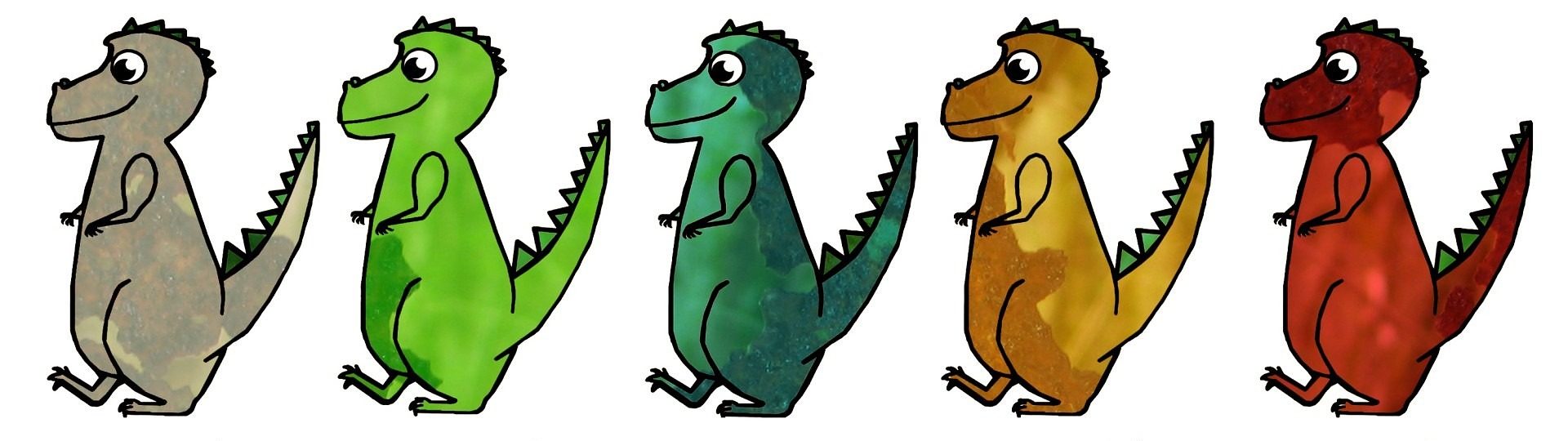 | sunt quinque dinosauri. |
 | sunt sex dinosauri. |
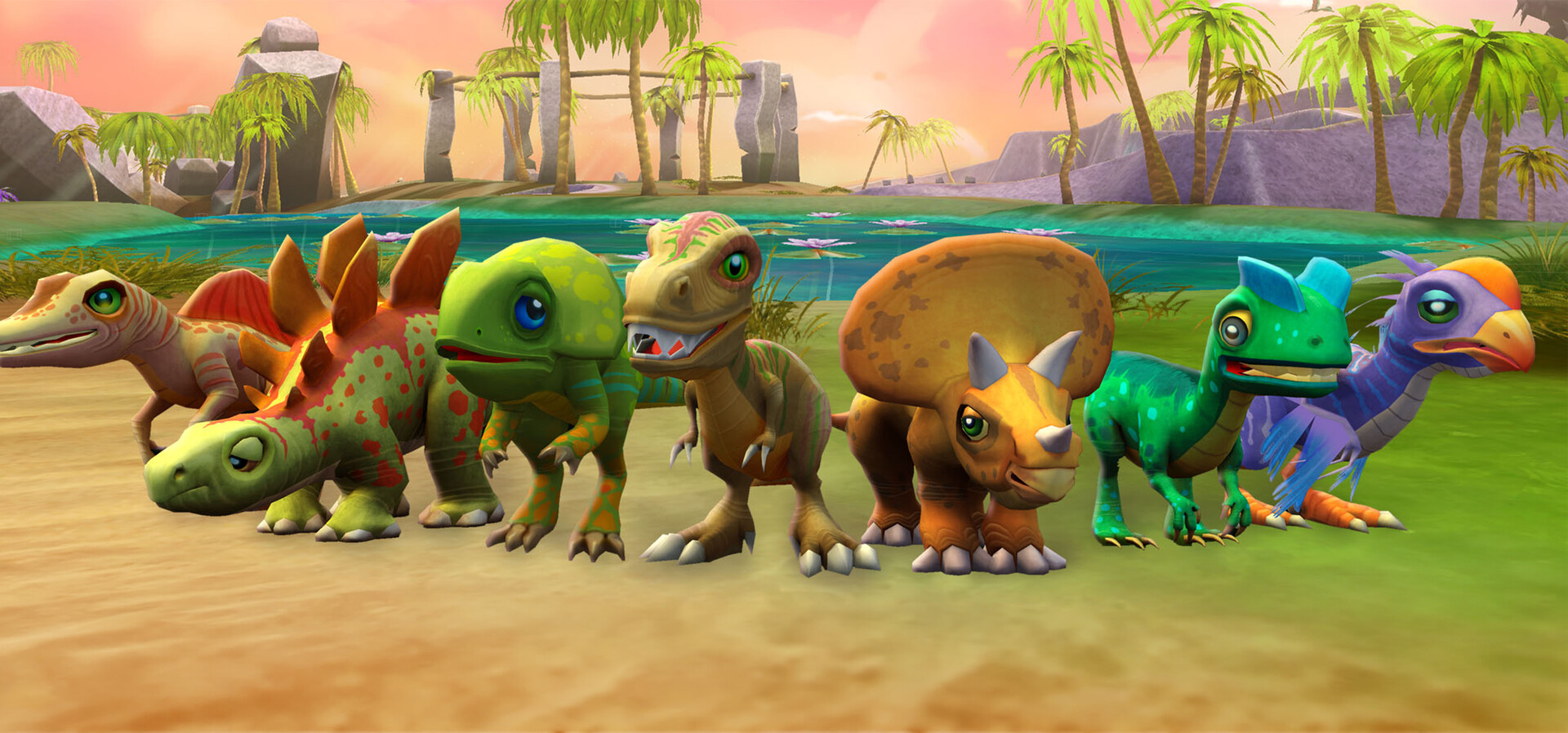 | sunt septem dinosauri. |
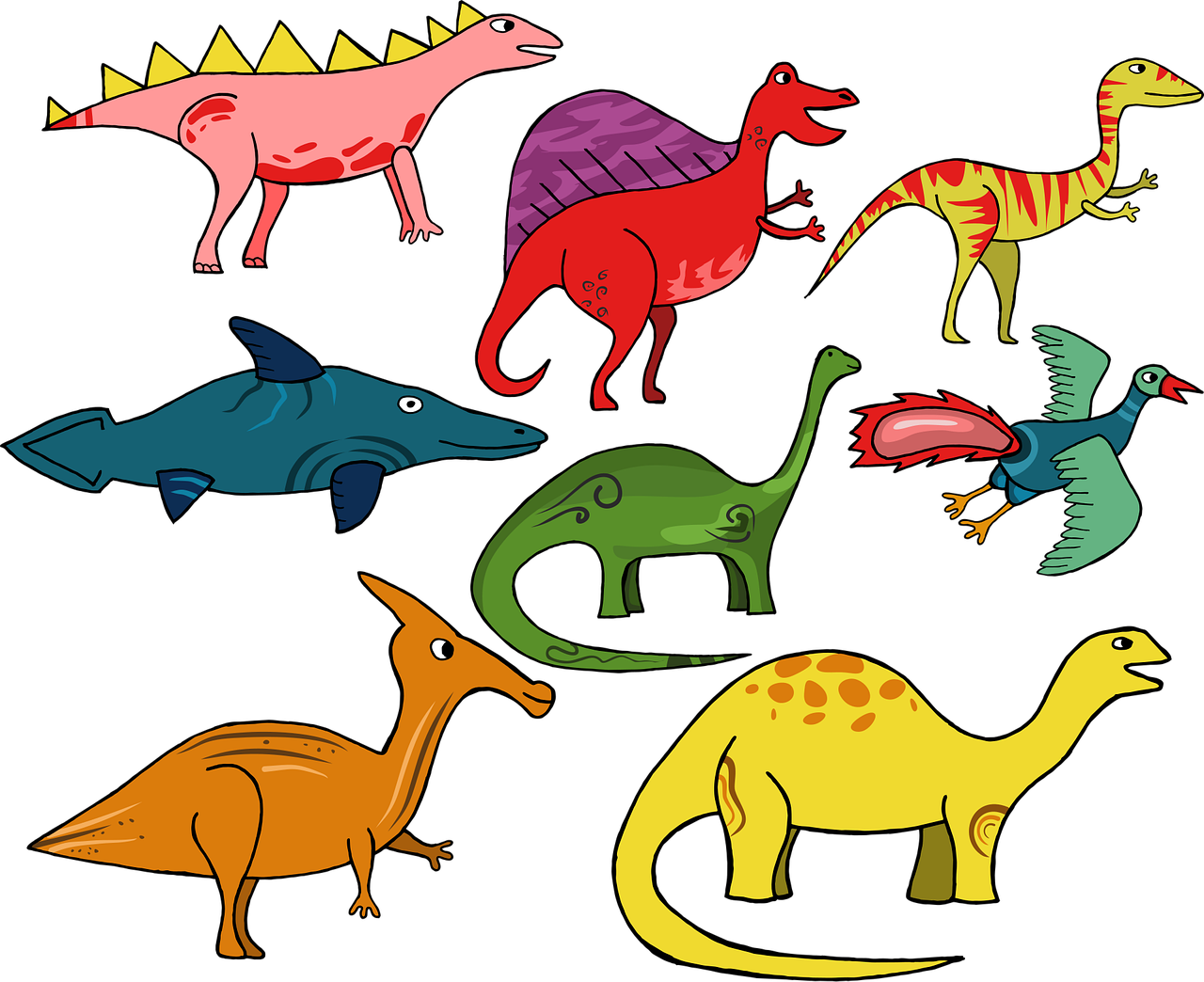 | sunt octo dinosauri. |
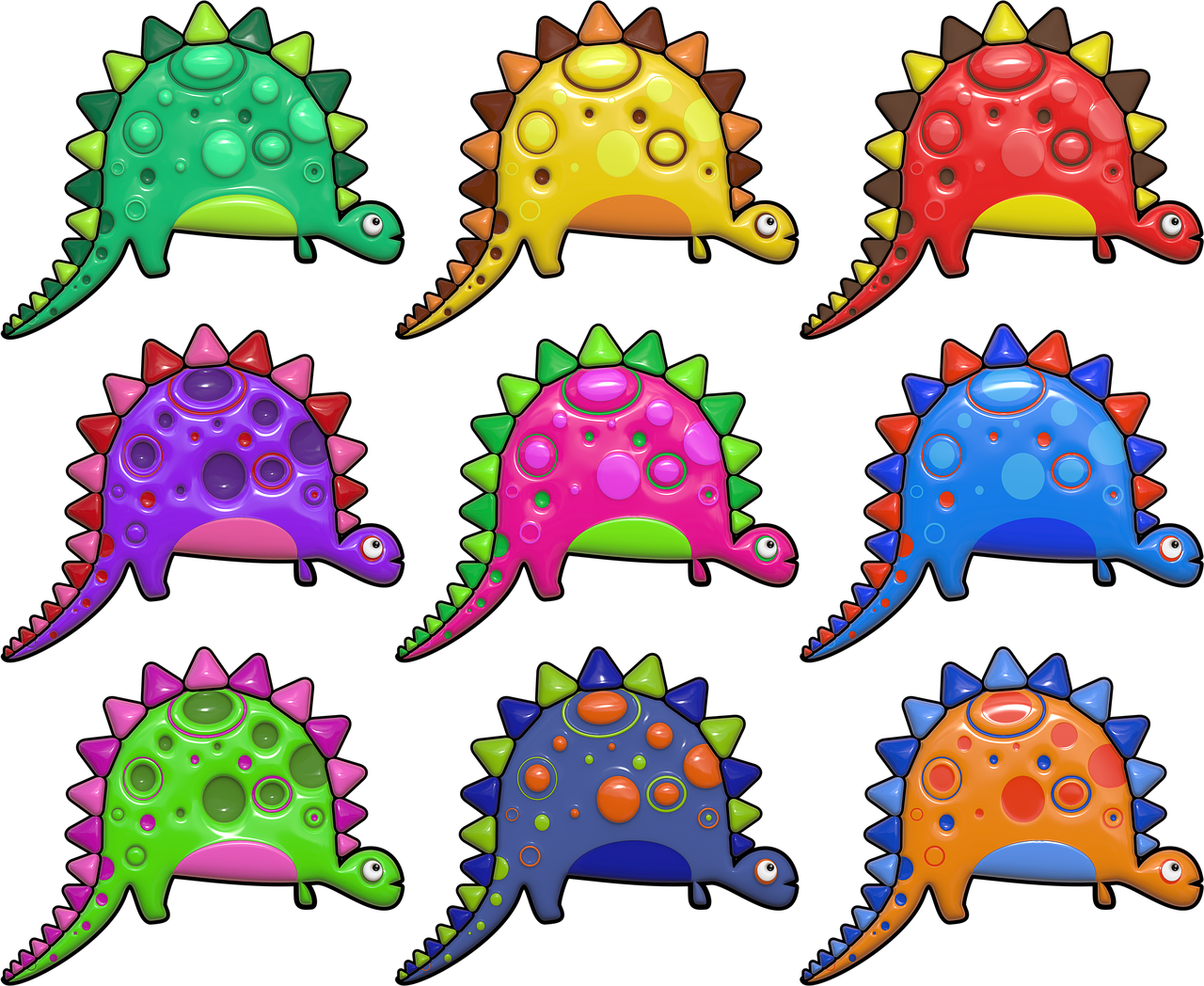 | sunt novem dinosauri. |
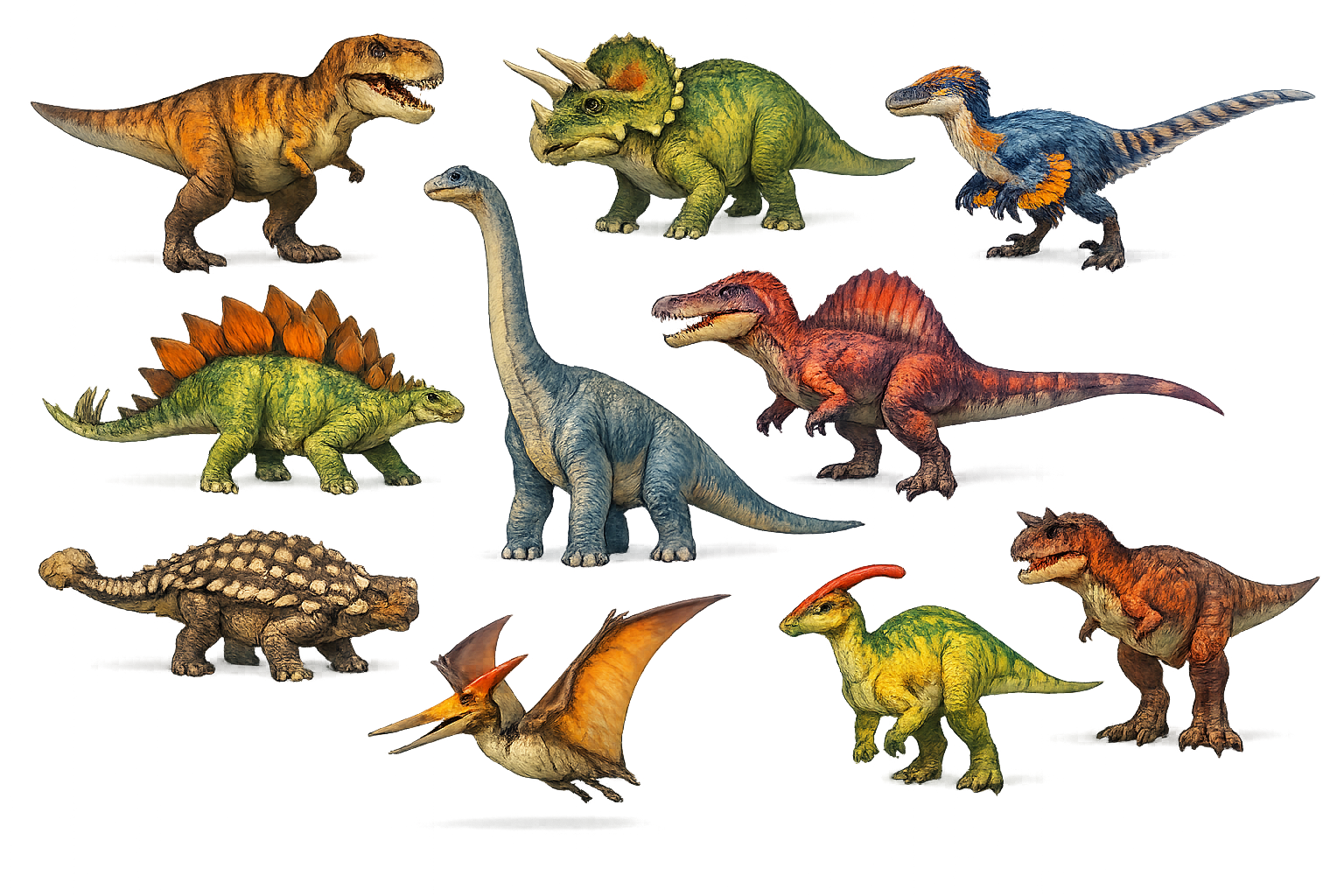 | sunt decem dinosauri. |
Finally, let’s see if you can match the pictures with the Latin captions. (Answer Key)
A.  | B.  | C.  |
D.  | E. 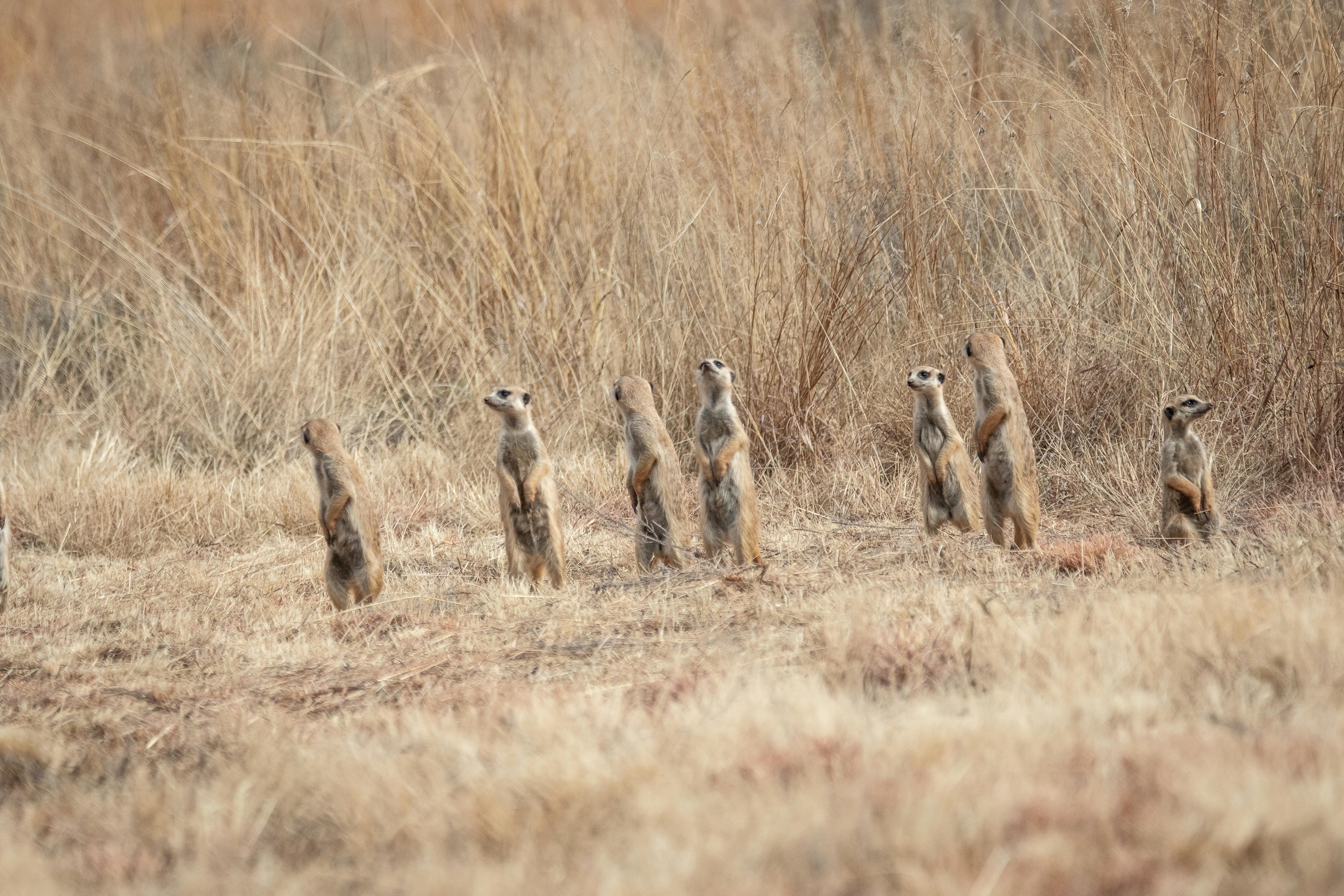 | F. 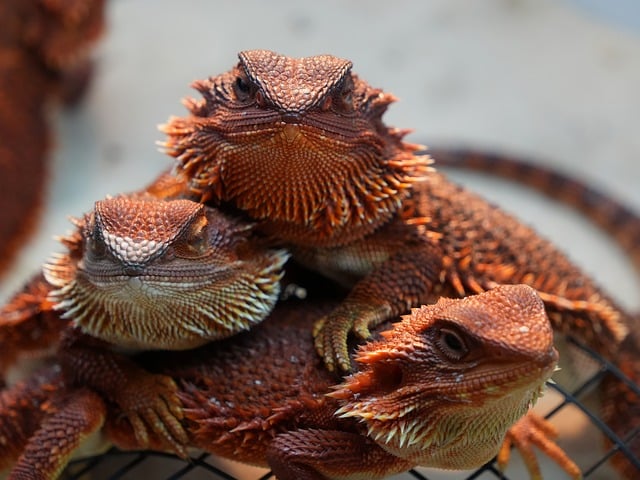 |
G.  | H. 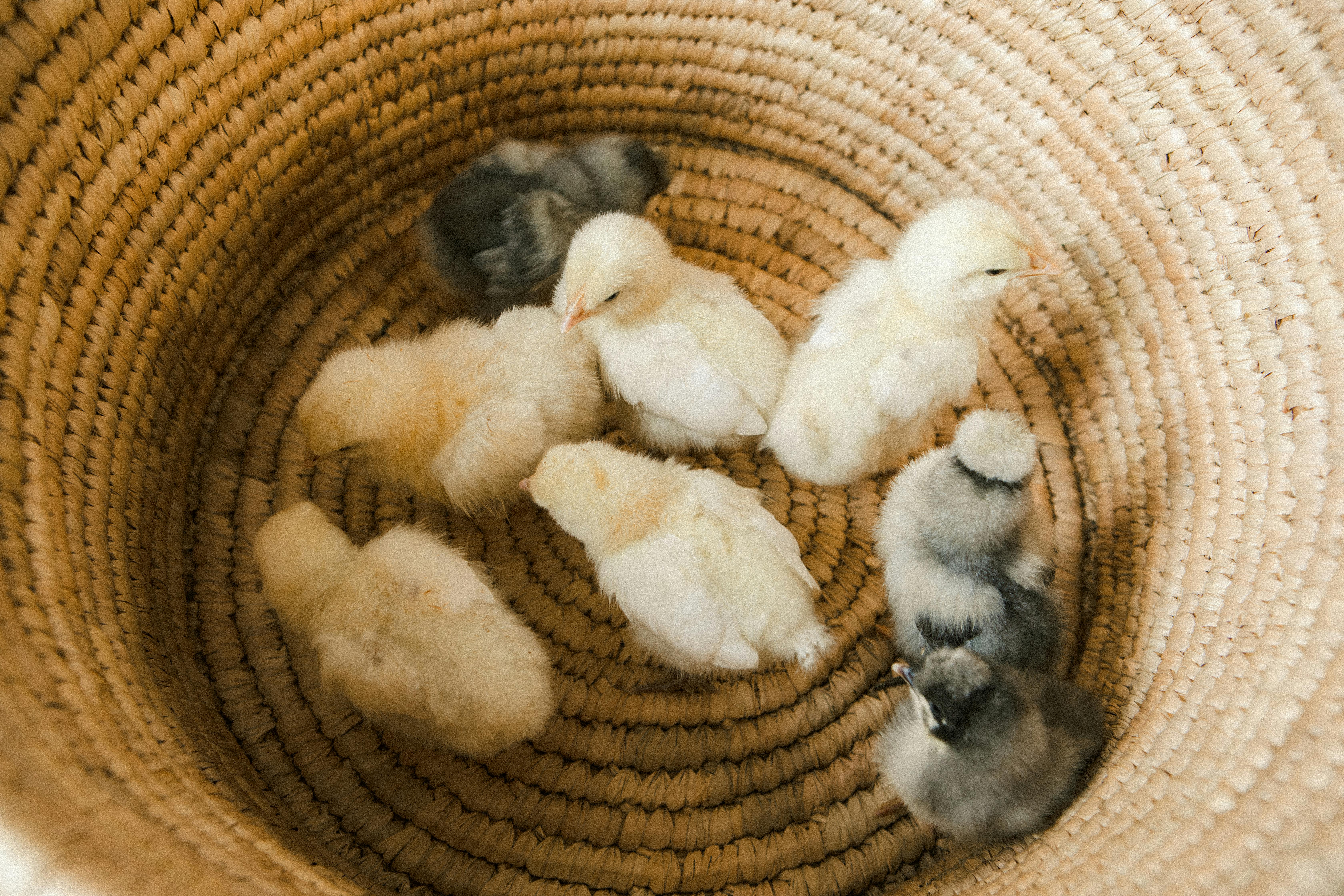 | I.  |
- duo animalia
- quinque animalia
- octo animalia
- tria animalia
- sex animalia
- novem animal
- quattuor animalia
- septem animalia
- unum animal
- decem animal


